


Calgary Wind Considerations: Anchoring and Placement Tips for Exposed Backyards
Wind should be assessed before choosing and installing a pergola. The exposed backyard in Calgary may be quite different in wind flow from a protected residential yard. Wind may be directed or channeled due to buildings, fences, elevation, yard orientation, and landscaping features around the proposed installation site.
For homeowners planning an aluminum pergola Calgary project, wind exposure should be assessed before installation. A site-specific assessment helps determine the appropriate configuration.

[Show/Hide]
Why Wind Exposure Matters When Planning a Pergola in Calgary
Wind moves through each property differently. Open lots may have fewer windbreaks, while buildings and fences can redirect airflow around corners or through narrow spaces.
Corner lots, elevated properties, and new developments with limited landscaping may have greater exposure than sheltered yards. Therefore, pergola wind resistance should be considered together with the site, foundation, roof system, and intended use.

Start With the Backyard, Not the Pergola Model
Assess the installation area before selecting the pergola size or configuration. Consider surrounding buildings, fences, landscaping, elevation, and the amount of open space around the proposed location. These factors can affect wind exposure and help determine the most suitable placement, pergola roof design, and anchoring approach.
Open and Exposed Lots
A windy backyard with few surrounding structures may experience more direct airflow across the pergola area. Orientation, anchoring, roof configuration, and accessory selection become particularly important.
Corners, Side Yards, and Narrow Passages
A space between a house and fence may appear protected but can channel wind through the gap. Buildings can also redirect airflow around corners.
Elevated or Unobstructed Locations
Open views, limited surrounding structures, or elevation changes can increase exposure. These locations deserve additional attention during structural planning.
Pergola Placement Can Reduce or Increase Wind Exposure
Moving a pergola Calgary within the same yard can change both exposure and comfort. For pergola installation Calgary projects, consider the home’s position, surrounding structures, prevailing airflow, and intended use when choosing the final location. A well-positioned pergola can reduce direct exposure and create a more comfortable outdoor living area.
Use the House as Part of the Site Strategy
A location near the home may provide some shelter, depending on the wind direction and the building’s geometry. However, an attached or nearby pergola is not automatically safer.
Consider Fences, Walls, and Landscaping
Fences, hedges, trees, and walls can influence airflow, but they should not be treated as guaranteed structural wind protection. Their height, position, and distance from the pergola all matter.
The same applies to an integrated pergola privacy wall, which should be specified as part of the system rather than assumed to block wind.
Think About How the Space Will Be Used
Dining, lounge, outdoor kitchen, and hot tub areas may have different comfort requirements. Position the main activity zone away from direct wind corridors where possible.
Why Anchoring Is Critical in Exposed Backyards
Proper pergola anchoring is essential, particularly in exposed locations. The structure must be connected to a suitable foundation or supporting structure in accordance with the pergola manufacturer’s requirements.
The Surface Below the Pergola Matters
A visible concrete slab, paver surface, or deck does not automatically provide suitable anchoring. Its construction and supporting structure should be assessed before installation.
Freestanding Pergolas Need Proper Foundation Planning
A freestanding pergola relies on its posts and foundation system for structural support. The appropriate anchoring method depends on the specific system and site.
Post layout also matters — a cantilever pergola carries loads on fewer posts, so its foundation requirements differ from a four-post design.
Attached Pergolas Still Require Structural Assessment
An attached pergola must be properly connected to the house structure, and its front posts or other supports must also be properly anchored. Attachment does not eliminate the need for structural assessment.
How Pergola Size and Configuration Affect Wind Planning
Size, height, roof design, post configuration, location, and accessories can all affect structural requirements. A larger or taller structure may interact with wind differently from a smaller 10×10 pergola.
Homeowners should evaluate the complete configuration rather than relying only on catalogue dimensions. This applies equally to pergola kits and custom-built structures.
What Adjustable Louvers Mean for Wind Exposure
A motorized louvered pergola changes configuration as its louvers move. Homeowners should understand how the system is designed to operate in windy conditions.
Wind Sensors and Automation
Compatible wind sensors may trigger automated operation when conditions reach the system’s specified limit. However, a sensor does not replace proper anchoring, structural design, maintenance, or responsible operation.
Follow Product-Specific Operating Limits
Wind ratings and recommended louver positions vary between systems. There is no universal wind threshold for every louvered pergola. Follow the manufacturer’s operating instructions for the selected model.
Screens, Curtains, and Accessories Need Separate Wind Consideration
Screens, shades, curtains, heaters, pergola lights, and other accessories can affect airflow and how the pergola interacts with the wind. They should be specified as part of the complete design rather than added without checking compatibility.
Comfort Planning for a Windy Backyard
Even if the pergola is structurally suitable for the location, it may still be uncomfortable if wind passes through the area.
The positioning of the dining table and lounging area should be considered. A pergola privacy screen or other wind-mitigating elements can improve comfort if they are compatible with the pergola and its operating requirements.
Common Mistakes in Exposed Pergola Locations
Wind-related issues often start with site planning rather than the pergola itself. A location that looks ideal may have poor wind conditions, while a seemingly sheltered area may channel airflow between structures. The following mistakes can affect both structural planning and outdoor comfort:
- Choosing the location based only on appearance.
- Assuming a fence eliminates wind exposure.
- Anchoring only to visible surface materials.
- Ignoring an existing deck or slab condition.
- Selecting accessories without checking wind suitability.
- Treating a wind sensor as structural protection.
- Assuming one wind rating applies to every pergola system.
- Ignoring drainage and ground conditions during structural planning.
Calgary Pergola Site-Planning Checklist
Before finalizing the design, review the site as a whole rather than assessing wind exposure separately from the pergola structure. This helps identify potential issues with placement, anchoring, drainage, accessories, and operation before installation begins:
- Backyard exposure.
- Surrounding buildings, fences, and landscaping.
- House orientation.
- Proposed pergola location.
- Ground, slab, paver, or deck condition.
- Pergola size and height.
- Attached or freestanding configuration.
- Foundation and anchoring requirements.
- Screens and accessories.
- Motorized louver operating requirements.
- Permits and local requirements.
- Professional site assessment.
Final Recommendation: Assess Wind Before Finalizing the Design
A pergola for windy backyard use should be selected based on the actual property, not just catalog dimensions or appearance. Wind exposure, placement, foundation conditions, anchoring, roof configuration, and accessories should be considered together.
Before finalizing the project, homeowners can discuss the proposed placement, structural conditions, configuration, and custom pergola installation requirements with LOUSOL.
FAQ
Are aluminum pergolas suitable for windy backyards?
They can be, depending on the specific system, structural design, anchoring, installation, and site exposure. Material alone does not determine suitability.
Does a pergola need to be anchored to concrete?
Not necessarily. The correct support method depends on the pergola system and site conditions.
Is an attached pergola better for a windy backyard?
Not automatically. The house connection, supports, foundation, exposure, and product specifications all need to be assessed.
Can a wind sensor protect a motorized pergola?
A compatible sensor can support automated operation, but it does not replace proper anchoring, structural design, maintenance, or manufacturer instructions.
Checkout more
helpful articles
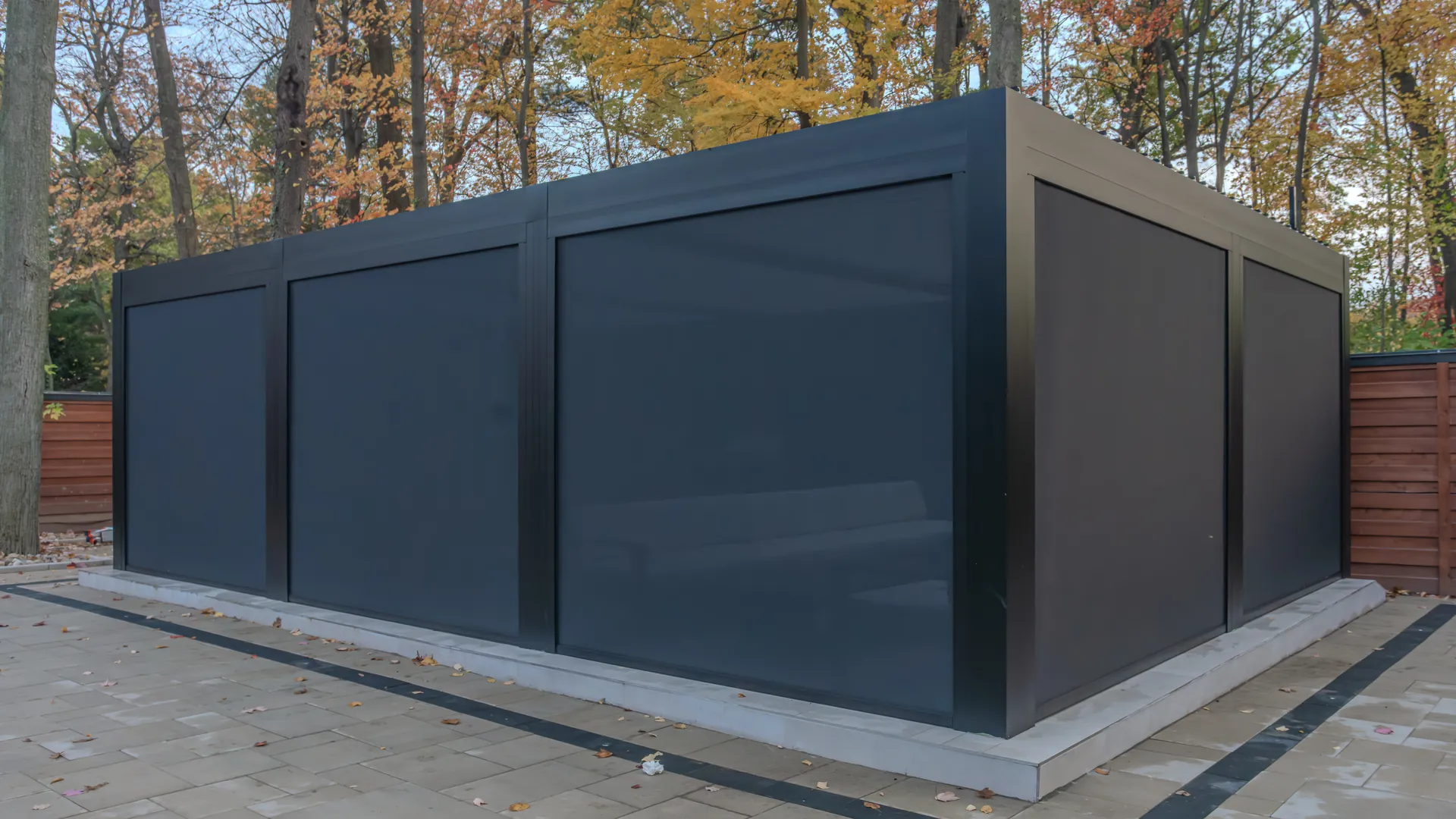
How to Choose Pergola ZIP Screens: Fabric, Privacy and Controls
How to match pergola ZIP screens to your space: fabric...
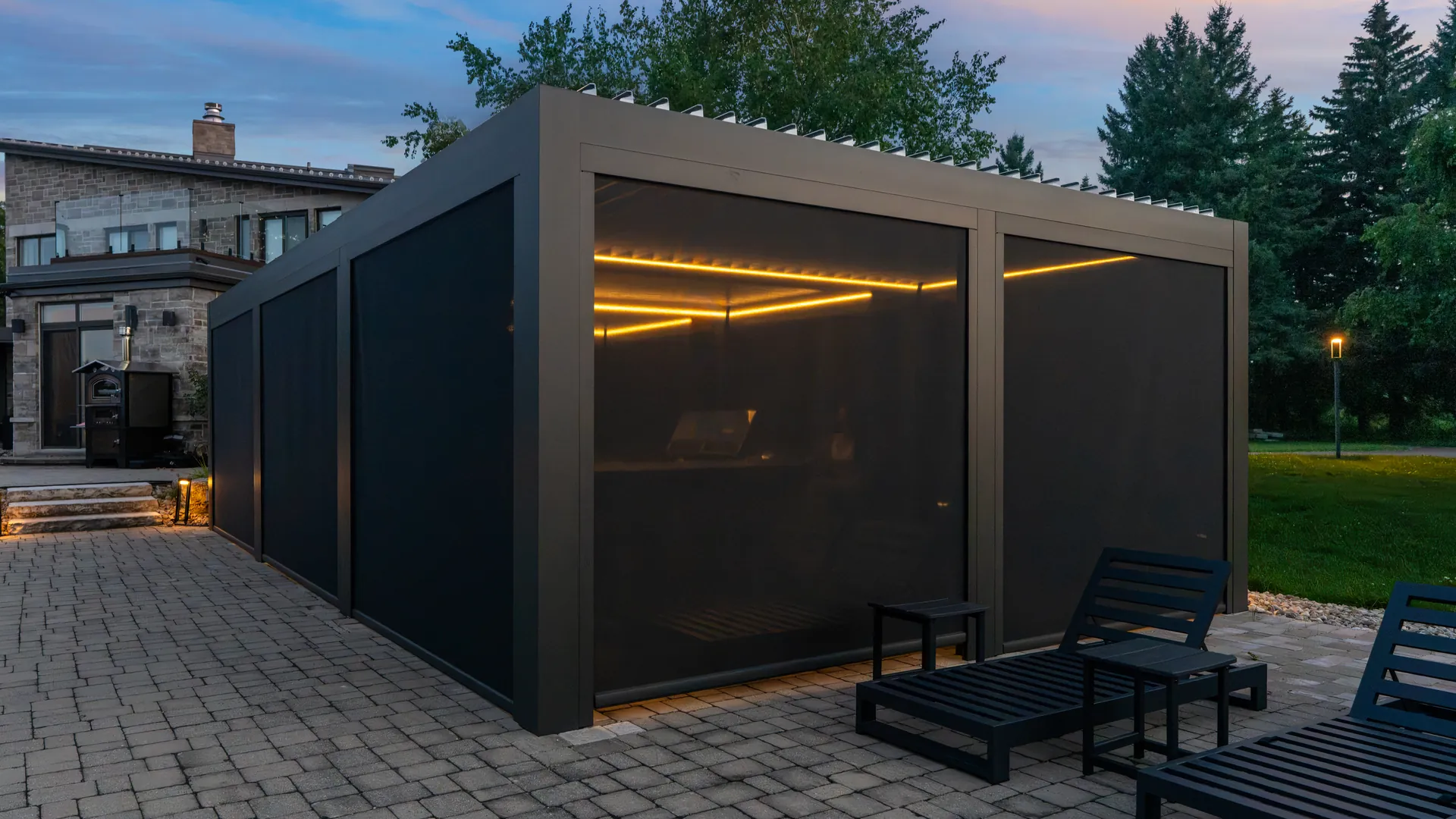
Manual vs Motorized Pergola ZIP Screens
How manual and motorized pergola ZIP screens compare on controls,...

Pergola Installation vs DIY: Which Saves You Money?
When DIY pergola installation genuinely saves money, when a professional...

Restaurant Patio Covers That Increase Revenue
A practical framework to estimate how much revenue a covered...


Best DIY Aluminum Pergola Kit Features
The features that make a DIY aluminum pergola kit easy...
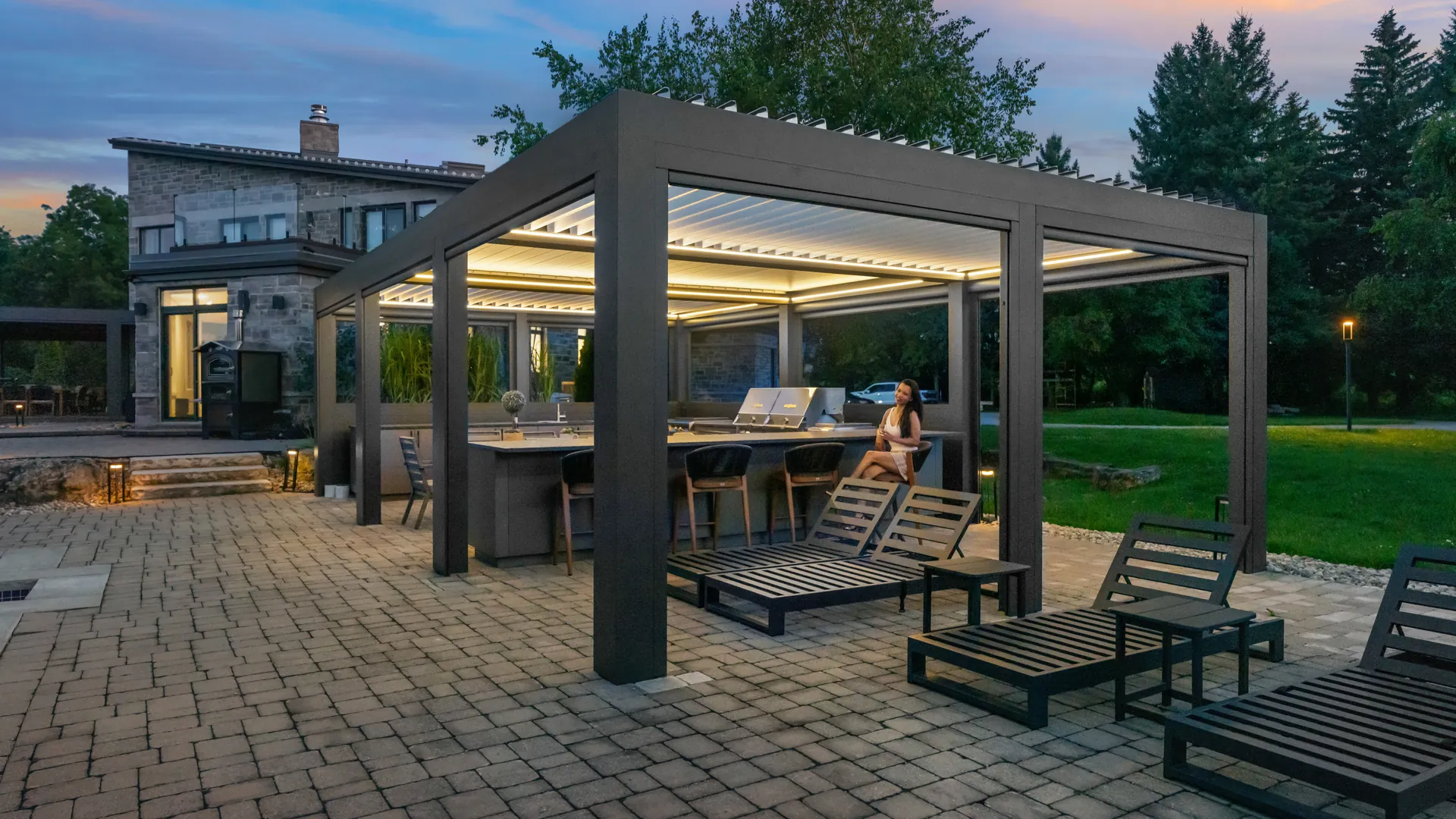
How to Plan a Custom-Size Aluminum Pergola
How to plan a custom-size aluminum pergola: measurements, footprint, post...


